EBE
STATUS
● Completed
LOCATION
Poveromo, Massa, CH
YEAR
2023
CLIENT
Private
ACQUISITION MODES
Direct assignment
OTHER SPECIALISTS
Francesco Sala Architetto
Studio Mawi
Giovanni Nardi Photography

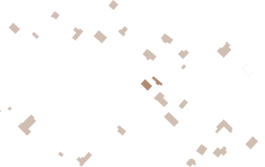
Versilia. The Tyrrhenian coast. To the north lie Marina di Massa, Carrara, and Sarzana; on clear summer days you can see Portovenere and the Island of Tino. To the south are Viareggio and Lake Massaciuccoli, while to the west rise the Apuan Alps, a barrier of calacatta, bardiglio, and arabescato marble. To the east stretches the sea. In this landscape, the renovation of a two-storey family villa takes shape along a small road that cuts through what remains of the old pine forest.
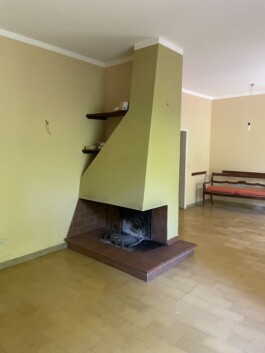
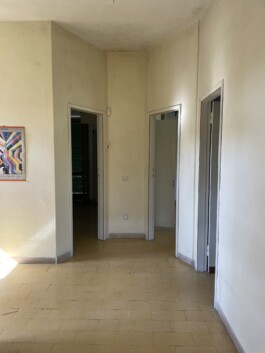
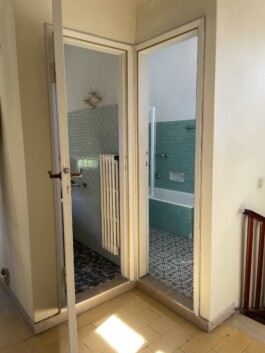
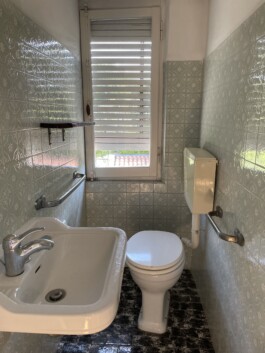
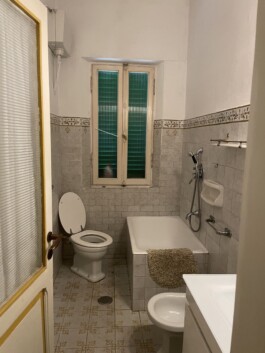
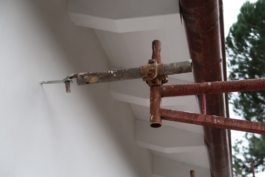
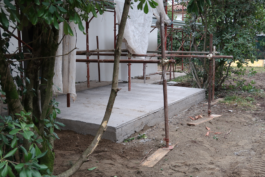
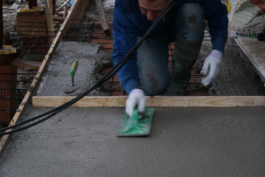
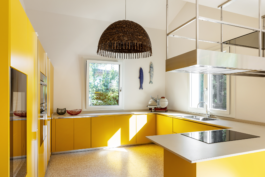
The villa, built in the 1930s and extended in the 1960s, showed the typical issues of that period: no foundations, no thermal insulation, thin slabs, and a roof needing complete rebuilding. The project added a new slab and a full construction system to ensure stability and energy performance. The central theme was space: the original rooms were small and dark, the kitchen tiny, and the bathrooms narrow and without windows.
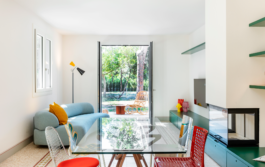
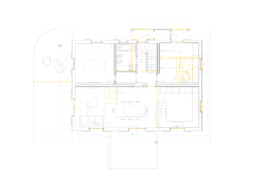
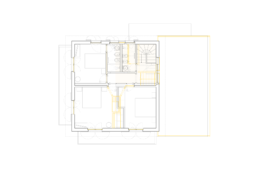
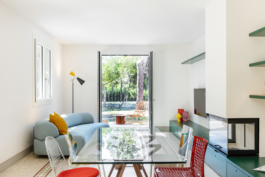
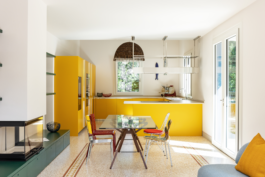
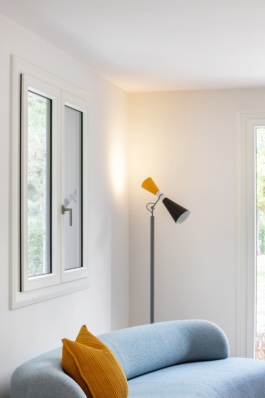
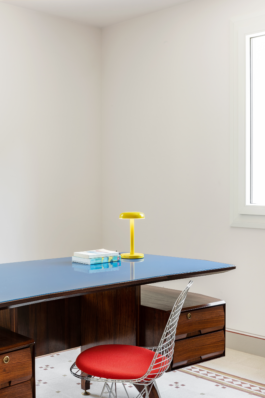
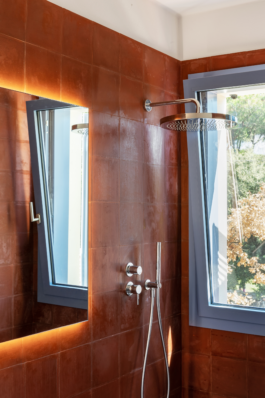
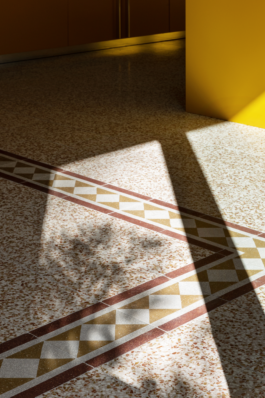
The client wished for a large living area designed for conviviality, several guest rooms, and bathrooms with windows framing the pine trees and the Apuan Alps. The new layout, while respecting the existing load-bearing structure, reshaped the interiors and focused on materials, bringing back traditional Versilia elements such as grit tiles, cement tiles, mouldings, and lime plaster, all made with local craftsmen.
Alongside this recovery of traditional know-how came sustainability and comfort: a heat pump with underfloor heating, photovoltaic panels, eco-friendly materials like bio-lime, and wood-fibre insulation. Under the pine forest now stands a renewed home, rooted in its landscape and time: Villa Ebe.


EBE
STATUS
● Completed
LOCATION
Poveromo, Massa, CH
YEAR
2023
CLIENT
Private
ACQUISITION MODES
Direct assignment
OTHER SPECIALISTS
Francesco Sala Architetto
Studio Mawi
Giovanni Nardi Photography

Versilia. The Tyrrhenian coast. To the north lie Marina di Massa, Carrara, and Sarzana; on clear summer days you can see Portovenere and the Island of Tino. To the south are Viareggio and Lake Massaciuccoli, while to the west rise the Apuan Alps, a barrier of calacatta, bardiglio, and arabescato marble. To the east stretches the sea. In this landscape, the renovation of a two-storey family villa takes shape along a small road that cuts through what remains of the old pine forest.
The villa, built in the 1930s and extended in the 1960s, showed the typical issues of that period: no foundations, no thermal insulation, thin slabs, and a roof needing complete rebuilding. The project added a new slab and a full construction system to ensure stability and energy performance. The central theme was space: the original rooms were small and dark, the kitchen tiny, and the bathrooms narrow and without windows.
The client wished for a large living area designed for conviviality, several guest rooms, and bathrooms with windows framing the pine trees and the Apuan Alps. The new layout, while respecting the existing load-bearing structure, reshaped the interiors and focused on materials, bringing back traditional Versilia elements such as grit tiles, cement tiles, mouldings, and lime plaster, all made with local craftsmen.
Alongside this recovery of traditional know-how came sustainability and comfort: a heat pump with underfloor heating, photovoltaic panels, eco-friendly materials like bio-lime, and wood-fibre insulation. Under the pine forest now stands a renewed home, rooted in its landscape and time: Villa Ebe.