ZUS
STATUS
○ Competition
LOCATION
Rancate, CH
YEAR
2024
CLIENT
Municipality of Rancate
ACQUISITION MODES
Project competition according to one-stage open procedure
IMAGES
OTHER SPECIALISTS
Matteo Venezian Architetto
Francesco Sala Architetto

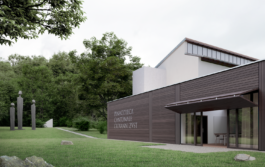
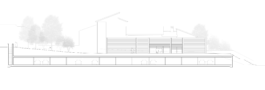
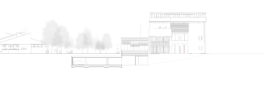
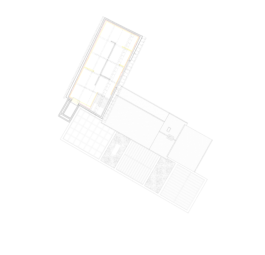
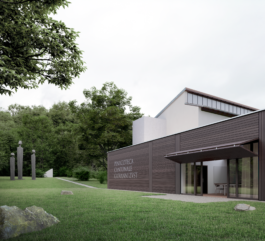
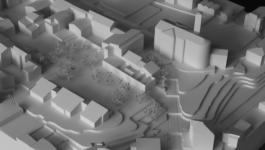
The competition aimed to expand the Zust Art Gallery in Rancate without altering its existing layout. The brief clearly required a new volume subordinate to the current structure, ensuring it would not overshadow the museum’s architectural identity.
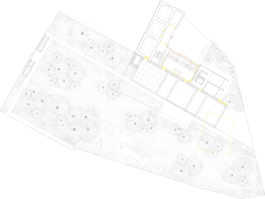
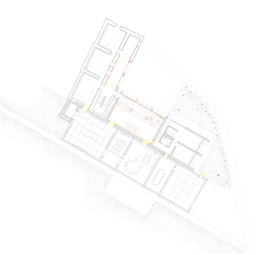
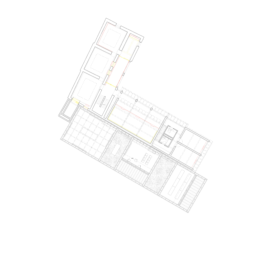
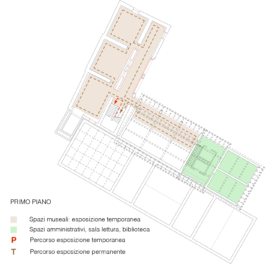
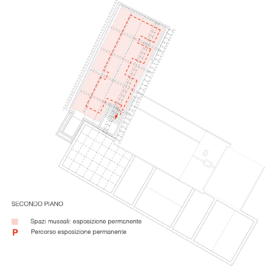
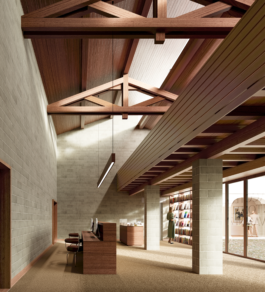
The building has already undergone several transformations, the latest by Giovanni “Tita” Carloni. The proposal therefore operates on two conceptual levels: first, the preservation and near-total conservation of the existing structure; second, the integration of a new museum hall and additional functions—projection room, library, meeting room, picture gallery, and storage—without distorting the character of the original building.
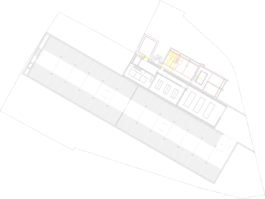
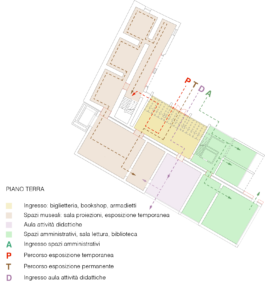
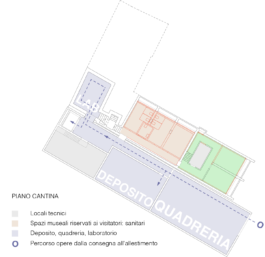
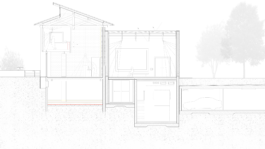
Two organizational levels were defined. The entrance to the underground parking garage, requested as part of the extension, also becomes the access point for artworks, which require an independent logistical system. From here, artworks can be stored, moved to the workshop, or transported to exhibition rooms via a freight elevator serving all levels.
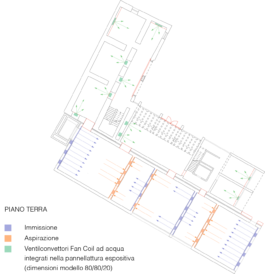
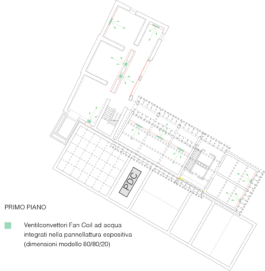
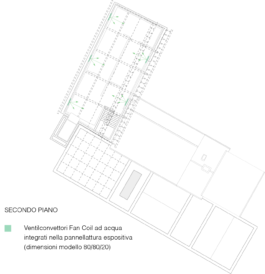
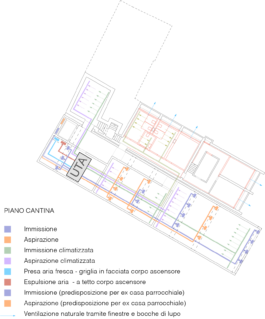
The height of the main public entrance remains unchanged. Visitors can purchase tickets for the permanent or temporary exhibition, which can now operate simultaneously or independently. The choice of energy carrier considers local availability, current energy policies, and the constraints of intervening in a historically protected structure. The goal is to enhance the museum’s energy performance while respecting its architectural context.


ZUS
STATUS
○ Competition
LOCATION
Rancate, CH
YEAR
2024
CLIENT
Municipality of Rancate
ACQUISITION MODES
Project competition according to one-stage open procedure
IMAGES
OTHER SPECIALISTS
Matteo Venezian Architetto
Francesco Sala Architetto

The competition aimed to expand the Zust Art Gallery in Rancate without altering its existing layout. The brief clearly required a new volume subordinate to the current structure, ensuring it would not overshadow the museum’s architectural identity.
The building has already undergone several transformations, the latest by Giovanni “Tita” Carloni. The proposal therefore operates on two conceptual levels: first, the preservation and near-total conservation of the existing structure; second, the integration of a new museum hall and additional functions—projection room, library, meeting room, picture gallery, and storage—without distorting the character of the original building.
Two organizational levels were defined. The entrance to the underground parking garage, requested as part of the extension, also becomes the access point for artworks, which require an independent logistical system. From here, artworks can be stored, moved to the workshop, or transported to exhibition rooms via a freight elevator serving all levels.
The height of the main public entrance remains unchanged. Visitors can purchase tickets for the permanent or temporary exhibition, which can now operate simultaneously or independently. The choice of energy carrier considers local availability, current energy policies, and the constraints of intervening in a historically protected structure. The goal is to enhance the museum’s energy performance while respecting its architectural context.